
Sri Lanka Weather by Month: Complete Guide for Travellers
A month-by-month breakdown of Sri Lanka weather by month helps you pick the right coast or hill country for any travel dates.
4 min read
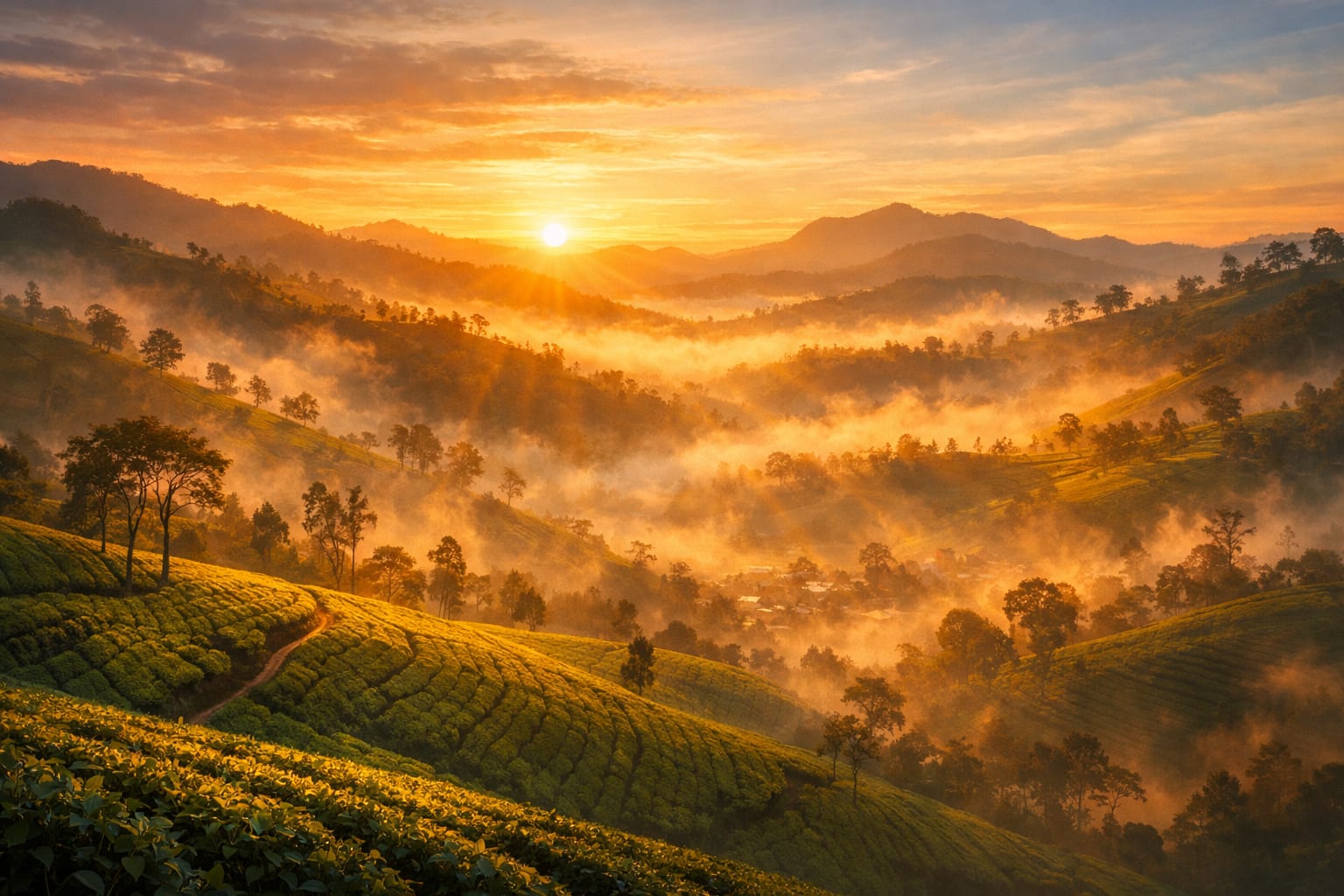
Understanding Sri Lanka weather by month lets you match your travel dates to the coast or hill region that will be dry and comfortable. The island is shaped by two monsoon systems that shift rain between the west, south, east and central highlands throughout the year. This guide breaks down each month so you can plan with confidence.
Key takeaways
- Two monsoons mean one coast is dry while the other is wet at any time.
- January to March is the reliable dry window on the west and south coasts including Colombo and Galle.
- May to September offers the best beach weather on the east coast around Trincomalee and Arugam Bay.
- The hill country around Nuwara Eliya and Kandy stays cool year round with distinct temperature ranges.
- Major festivals such as Vesak, Esala Perahera and Deepavali can affect accommodation availability and transport.
When is the dry season on the west and south coasts?
The west and south coasts enjoy a dry season from January through March once the north‑east monsoon has withdrawn, which typically occurs by early January. During these months Colombo, Galle and the southern beaches see warm seas, clear skies and calm waters ideal for swimming, snorkelling and boat trips. The period also coincides with the traditional New Year celebrations in April, so early bookings are advisable. For more detail on the capital see the Colombo travel guide and for the historic fort city see the Galle travel guide.
What is the best time to visit the east coast?
The east coast is at its driest from May to September when the south‑west monsoon brings rain to the opposite side of the island. Trincomalee becomes a prime base for whale watching, snorkelling at Pigeon Island and surfing at Arugam Bay. The dry spell also makes cultural visits to nearby temples comfortable. For a deeper look at the area consult the Trincomalee travel guide.
Hill country climate: Nuwara Eliya and Kandy
The central highlands stay cool throughout the year, but the two main towns have noticeably different temperature bands.
Nuwara Eliya sits at 1,868 m and daytime highs usually range from 15 °C to 22 °C, with nights often dropping below 10 °C. Mist and light showers are common even in the dry months, keeping tea gardens vivid green.
Kandy, at roughly 500 m, is warmer; daytime highs typically sit between 20 °C and 30 °C, while evenings remain pleasant around 18 °C. Both locations are reliable escapes from coastal heat, and popular activities include sunrise hikes at Horton Plains, visits to tea factories and exploring the Royal Botanical Gardens. The Kandy travel guide and the Nuwara Eliya travel guide have more practical details.
Inter‑monsoon periods: April and October, November
Between the two main monsoons the island experiences two inter‑monsoon windows, April and October to November, when rain can fall anywhere across Sri Lanka. Showers are usually short and intense, often in the late afternoon, but they can disrupt outdoor plans and make roads slippery in the hills. Travellers visiting during these weeks should carry a lightweight waterproof layer and allow flexible scheduling for outdoor activities.
Monthly festival calendar and travel impact
Major cultural festivals fall in specific months and can influence accommodation prices and transport.
- January: Thai Pongal harvest festival celebrated by Tamil communities.
- February: Navam Perahera procession in Colombo (not Kandy).
- April: Aluth Avurudda Sinhalese and Tamil New Year with family gatherings and widespread closures.
- May: Vesak Buddhist festival of lights across towns.
- July or August: Kandy Esala Perahera with dancers, drummers and caparisoned elephants.
- October or November: Deepavali Hindu festival of lights.
Plan ahead if your dates overlap with these events; book hotels and train tickets early.
Ethical note on the Esala Perahera
The Esala Perahera features captive elephants paraded in elaborate costumes. Many animal‑welfare organisations consider this practice stressful for the animals. If you wish to observe the cultural pageantry, consider watching from a respectful distance and supporting venues that promote elephant‑free processions or sanctuaries that prioritise rehabilitation. For responsible wildlife experiences see our guide on where to see elephants in Sri Lanka responsibly.
Responsible whale watching in Trincomalee
Trincomalee is one of the world’s top spots for blue‑whale sightings between May and September. To protect the animals and ensure a safe experience:
- Choose licensed operators registered with the Department of Wildlife Conservation.
- Maintain a minimum 100 m distance from whales at all times.
- Never chase or encircle pods; let the animals control the encounter.
- Avoid tours that guarantee sightings or use loud engines to herd whales.
Following these guidelines helps preserve the marine ecosystem for future visitors.
Packing checklist for each region
A concise packing list helps you stay comfortable whether you are on the coast, in the hills or visiting cultural sites.
Coast (west, south, east)
- Light breathable shirts and shorts
- Swimwear and reef‑safe sunscreen
- Wide‑brim hat and sunglasses
- Light rain jacket for sudden showers
Hill country (Nuwara Eliya, Kandy, Ella)
- Warm layers such as fleece or sweater for mornings and evenings
- Waterproof jacket for mist and frequent drizzle
- Sturdy walking shoes with good grip
- Sun protection for high‑altitude UV
Cultural sites (temples, ancient cities)
- Modest clothing covering shoulders and knees
- Easy‑remove shoes for temple entry
- Small daypack for water and snacks
You can download a printable month‑by‑month cheat sheet and packing list in our free Sri Lanka travel starter kit.
Next step
Get the cheat sheet, visa checklist and packing list in the free Sri Lanka travel starter kit. Sign up at /newsletter/ and start planning with confidence.
Facts in this guide were checked against official sources on the date shown. Rules and prices change, so confirm before you travel.
Frequently asked questions
What is the best month to visit Sri Lanka?
The best month depends on which coast you prefer. January to March offers dry weather on the west and south coasts, while May to September is ideal for the east coast. The hill country is pleasant year‑round but coolest from December to February.
When does the monsoon hit the east coast of Sri Lanka?
The north‑east monsoon affects the east coast from October to January, bringing heavy rain and rough seas. The dry season on the east coast runs from May to September.
What should I pack for the hill country in Sri Lanka?
Pack layers: a light fleece or sweater for cool mornings and evenings, a waterproof jacket for frequent mist and showers, sturdy walking shoes, and sun protection for high‑altitude UV exposure.
Which festivals should I be aware of when planning a trip?
Key festivals include Thai Pongal in January, Vesak in May, the Kandy Esala Perahera in July or August, and Deepavali in October or November. These events can increase demand for accommodation and transport.
Is it safe to swim during the monsoon season?
Swimming is not recommended on coasts experiencing active monsoon conditions due to rough seas and strong currents. Check local advice and the official sources – the Sri Lanka Tourism Development Authority (https://www.sltda.gov.lk/) and the Disaster Management Centre (https://www.dmc.gov.lk/) – for up‑to‑date sea conditions.