Nuwara Eliya: complete destination guide for Sri Lanka's hill country
Nuwara Eliya sits at 1,868 metres in Sri Lanka's central highlands, known for its cool climate, tea plantations and British colonial architecture. This guide gives you the practical overview you need before you go, with links to detailed pages for deeper planning.
Nuwara Eliya is a hill station in Sri Lanka's central province, developed by British colonists in the 19th century as a retreat from the lowland heat. Today it draws visitors for its temperate climate, rolling tea estates, and access to Horton Plains National Park.
Why go
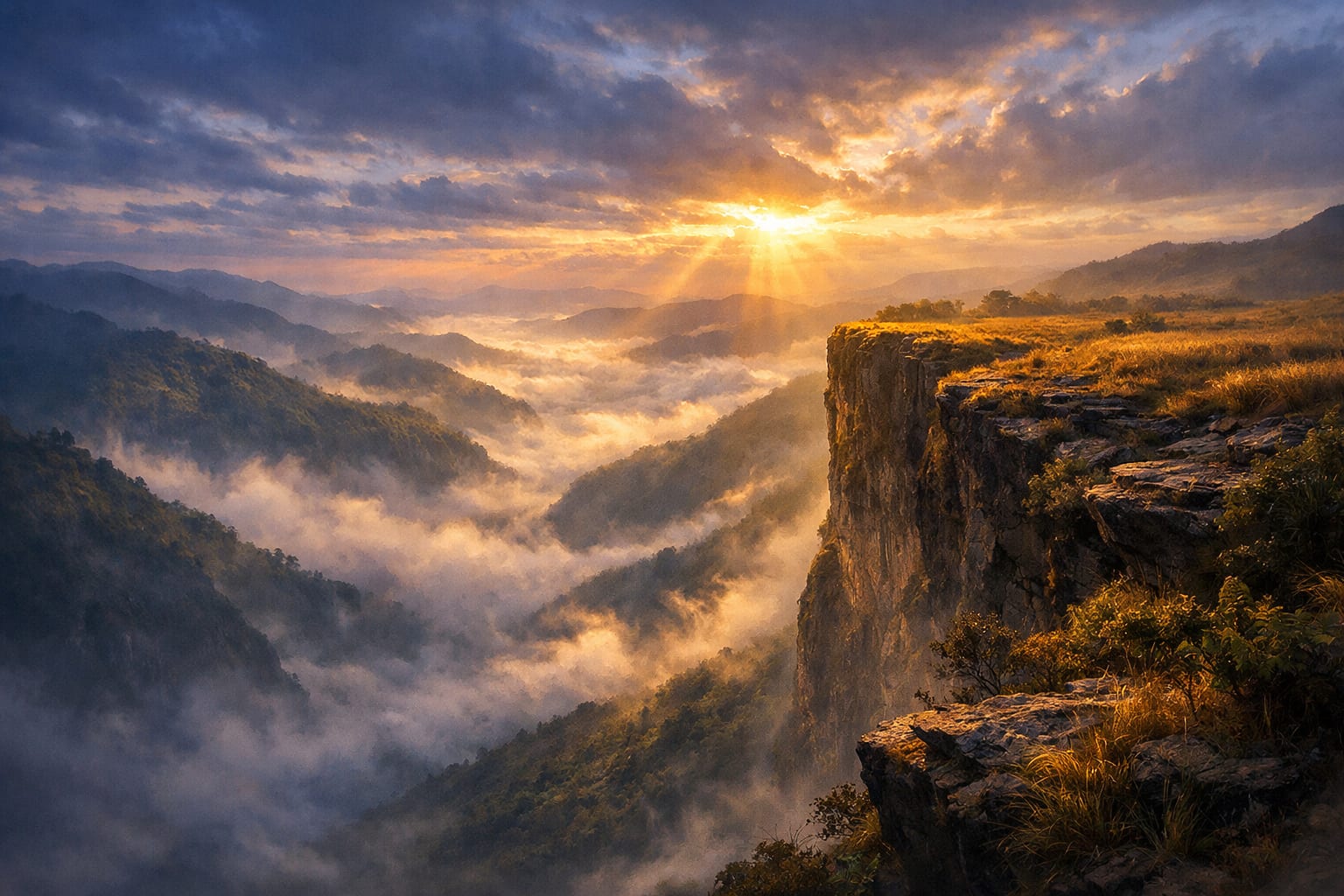
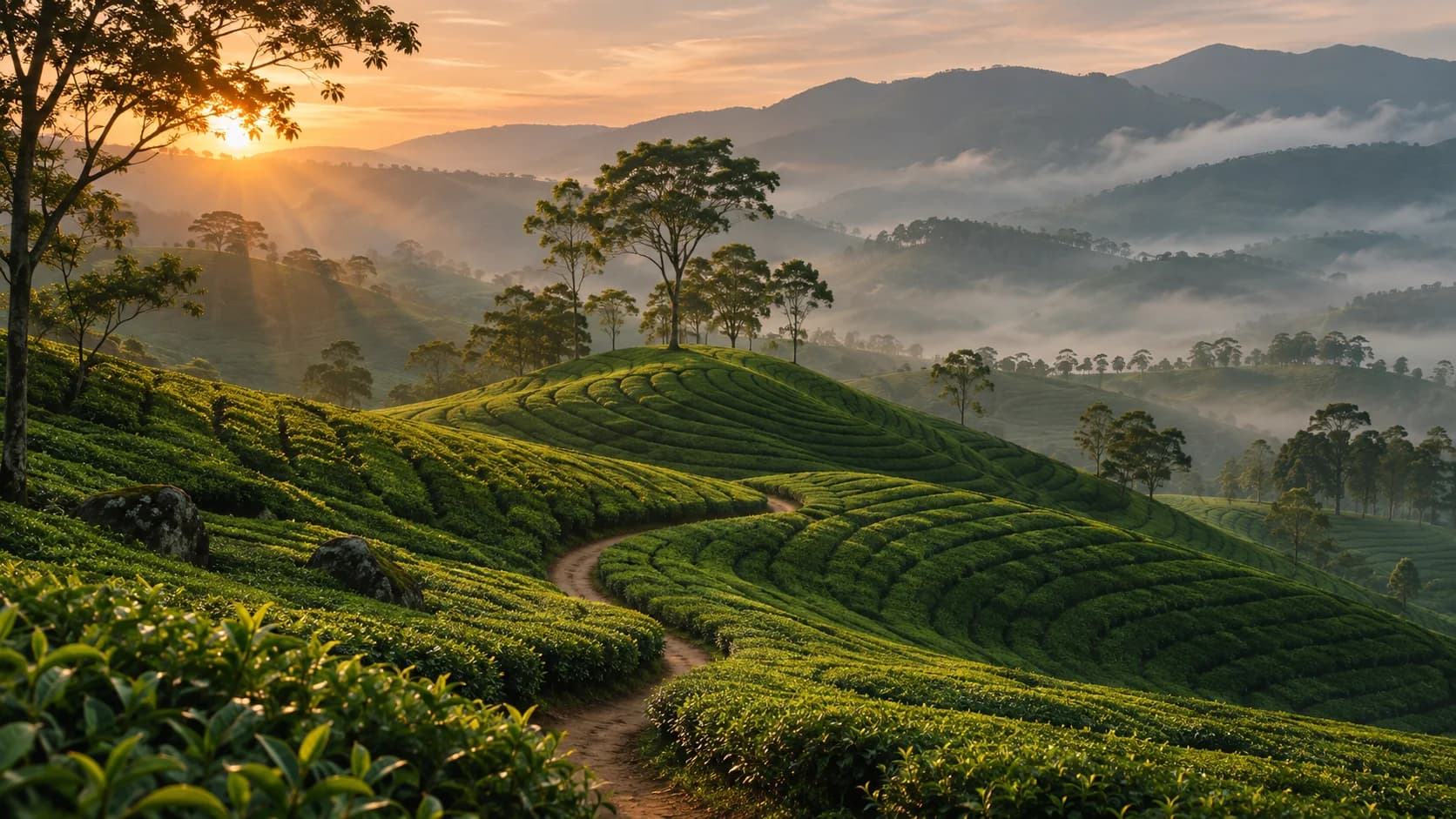
Nuwara Eliya offers a distinct change of pace from the coast and cultural triangle, with daytime temperatures that rarely exceed 20°C and a landscape shaped by tea cultivation. The town centre retains Tudor-style hotels, a red-brick post office and a golf course dating to 1889. Surrounding hills are covered in manicured tea bushes, punctuated by waterfalls and forest patches. It is the main gateway for visiting Horton Plains and World's End, a cliff-edge viewpoint that drops 880 metres. The area also has several Hindu temples and a Buddhist monastery, reflecting the mixed communities that work the estates. If you want cooler air, walking trails and a glimpse of Sri Lanka's plantation history, Nuwara Eliya fits a two-to-three-night stop on a hill-country circuit.
When to go
The most reliable weather runs from December to March when rainfall is lower and mornings are often clear enough for views from World's End. April brings the traditional Sinhalese and Tamil New Year period; the town fills with domestic visitors, accommodation prices rise and transport gets busy. The southwest monsoon affects the region from May to September with frequent rain and mist that can obscure views, though the landscape is at its greenest. October and November see inter-monsoonal showers that are less predictable. For Horton Plains, aim to enter the park at opening time (6 am) regardless of season, as cloud typically builds by mid-morning. Check the Department of Meteorology forecasts close to your dates and allow flexibility for park visits.
How to get there
Most international travellers reach Nuwara Eliya by road from Colombo (about 180 km, five to six hours depending on traffic and stops) or from Kandy (about 80 km, three to four hours). The scenic train line from Colombo Fort to Nanu Oya station takes roughly seven hours; Nanu Oya is 8 km from Nuwara Eliya town, with tuk-tuks and taxis waiting at the station. The Kandy to Nanu Oya segment (about three hours) is often cited as one of the most picturesque rail journeys in Sri Lanka. Private drivers can be arranged through your accommodation or a reputable agency; agree the route and stops before departure. Public buses run from Colombo's Pettah bus station and Kandy's Goods Shed bus station to Nuwara Eliya's central bus stand; they are cheaper but slower and less comfortable. If you are arriving from the east coast (for example Trincomalee), the road via Mahiyanganaya and the 18 hairpin bends takes six to seven hours. For current visa requirements, see the official Sri Lanka ETA website.
Getting around
Nuwara Eliya town is compact enough to walk, though the hill gradients can be steep. Tuk-tuks are plentiful for short hops to tea factories, Gregory Lake or the racecourse area; agree a fare before setting off. For day trips to Horton Plains (32 km one way), most visitors hire a driver for the day or join a shared jeep from the town centre; the park access road is steep and requires a vehicle with good ground clearance. Bicycles can be rented near the post office for riding around the lake or on quieter estate roads, but main roads carry fast traffic and have no cycle lanes. If you plan multiple estate visits, a hired car with driver is the most efficient option. Always confirm pickup times the evening before for early park entries.
Things to do
Walk the 2.5 km loop around Gregory Lake at dawn for birdlife and mist over the water; pedal boats are available in season. Visit a working tea factory such as Pedro or Labookellie to see withering, rolling, fermentation and drying; most offer a guided tour and a tasting session at the end. The Hakgala Botanical Gardens, 16 km towards Welimada, specialise in temperate flora including roses, orchids and ferns; allow two hours. Horton Plains National Park opens at 6 am; the 9.5 km round trip to World's End and Baker's Falls takes three to four hours at a steady pace. Entry permits are bought at the gate; carry water, snacks and a windproof layer. The Seetha Amman Temple near Hakgala is a colourful Hindu site linked to the Ramayana; dress modestly and remove shoes. The town's post office, built in 1894, still functions and sells stamps; the adjacent red-brick clock tower is a landmark. Golfers can play a nine-hole round at the Nuwara Eliya Golf Club, one of the oldest in Asia; visitors need a guest introduction or prior arrangement. For a longer trek, the Pidurutalagala trail to Sri Lanka's highest summit (2,524 m) requires permission from the Forest Department as the peak hosts military installations. Always stay on marked paths, take litter out, and avoid feeding wildlife.
Where to stay, by area
Town centre puts you within walking distance of the post office, market, lake and bus stand. Accommodation ranges from colonial-era hotels with fireplaces and formal dining to budget guest houses in converted shophouses. Noise from traffic and the clock tower can carry at night.
Gregory Lake surrounds are quieter, with a cluster of villas, bungalows and cabana-style properties set in gardens; most have lake views and private lawns. You will need a tuk-tuk for the 1.5 km ride into town.
Tea estate fringes (towards Pedro, Labookellie or Thalawakelle) offer converted planters' bungalows and newer villas on working estates. These are the most peaceful settings, often with factory tours on site, but you are 10, 20 km from town and dependent on your host or a driver for meals and transport.
Horton Plains edge (near Ohiya or Pattipola) has a handful of eco-lodges and homestays for early park access. Facilities are basic; power and hot water may be limited. Book well ahead for the December, March window.
When choosing, check whether meals are included, as rural properties may have no nearby restaurants. Ask about heating or extra blankets; nights can drop below 10 °C.
How long to stay
Two full days and three nights let you cover a tea factory, Gregory Lake, Hakgala Gardens and a Horton Plains day trip without rushing. Add a night if you want a rest day, a golf round, or to visit the less-crowded Moon Plains viewpoint near the town. One night is possible only if you arrive early and leave late, but you will miss the park's best viewing window. Many itineraries combine Nuwara Eliya with Ella (two hours by train or road) and Kandy; see our 7 day Sri Lanka itinerary: culture, hills and coast for a sample route.
Practical tips
Carry cash in small denominations; many small shops, tuk-tuks and park gates do not accept cards. ATMs in town dispense LKR; withdraw enough for rural stays. The electrical supply is 230 V, type D and G sockets; bring a universal adapter. Tap water is not recommended for drinking; use filtered or bottled water. Dress in layers: mornings can be 8, 12 °C, midday 18, 22 °C, evenings cool again. A windproof jacket, hat and gloves are useful for Horton Plains. At temples, cover shoulders and knees; remove hats and shoes. Photography of Buddha images is permitted but never pose with your back to a statue. For wildlife, keep distance, stay quiet and never feed animals; the Department of Wildlife Conservation manages national parks and sets the rules. Tipping is customary for drivers, guides and hotel staff; 10 % of the bill or LKR 500, 1,000 per day for a driver is a common benchmark (checked 2024). Travel insurance that covers trekking and altitude up to 2,500 m is advisable. For health advisories, consult the CDC Sri Lanka page. The UK Foreign Office travel advice page has safety and entry updates. For cultural norms, see our Sri Lanka Etiquette Guide for First‑Time Visitors.
Next step
Grab the free Sri Lanka travel starter kit for a printable packing list, budget planner and a one-page cheat sheet of essential phrases and emergency numbers.
Frequently asked questions
What is Nuwara Eliya known for?
Nuwara Eliya is known for its cool highland climate, tea plantations, British colonial architecture and as the main access point for Horton Plains National Park and World's End.
When is the best time to visit Nuwara Eliya?
December to March offers the driest weather and clearest mornings for Horton Plains; April is busy with domestic tourists; May to September brings monsoon rain and mist.
How do I get to Nuwara Eliya from Colombo?
You can drive (five to six hours), take the train to Nanu Oya station (seven hours) then a tuk-tuk, or catch a public bus from Pettah bus station.
Do I need a guide for Horton Plains National Park?
A guide is not mandatory but recommended for the first visit; the 9.5 km loop is well marked but weather changes fast and a guide helps with wildlife spotting and safety.
What should I pack for Nuwara Eliya?
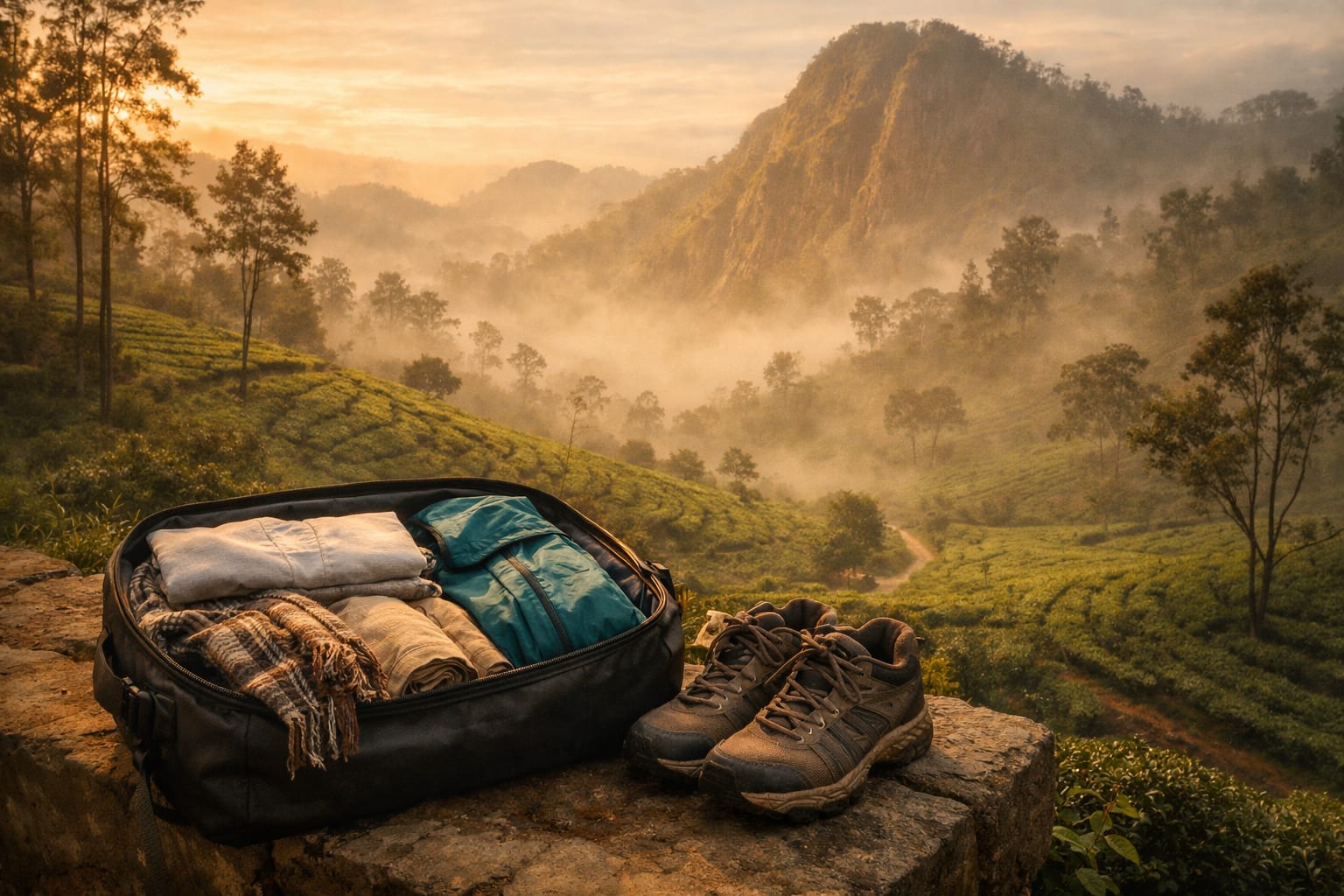
Pack layers including a windproof jacket, warm hat and gloves for early mornings, sturdy walking shoes, a reusable water bottle, cash in small notes and a universal adapter for type D and G sockets.
Facts in this guide were checked against official sources on the date shown. Rules and prices change, so confirm before you travel.