Kandy Sri Lanka: Your Complete Travel Guide
This guide helps first-time and returning travellers understand Kandy's layout, climate, transport options and cultural highlights. You will find clear area descriptions for choosing where to base yourself, plus links to detailed planning resources.
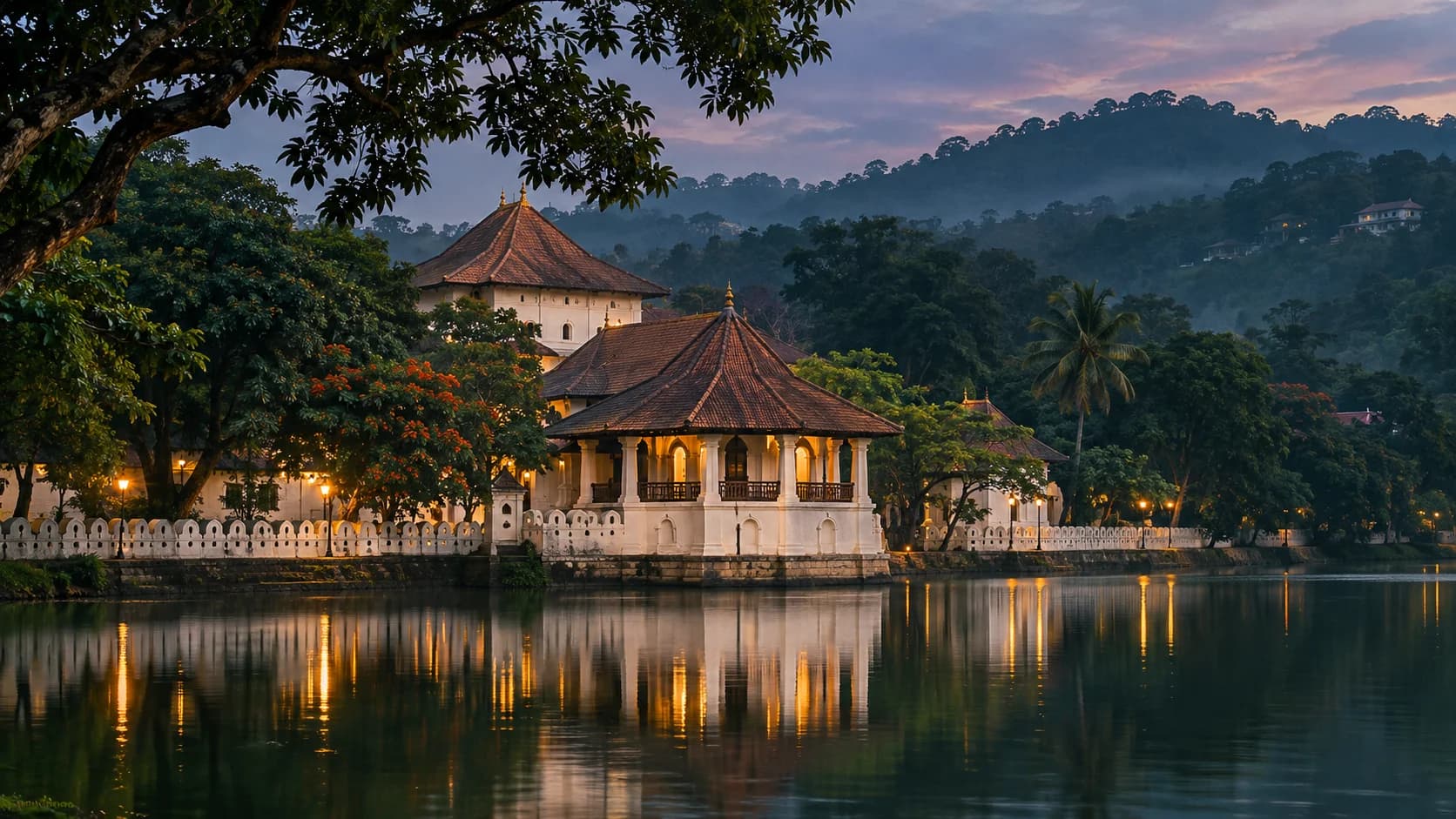
Kandy sits in Sri Lanka's central highlands at roughly 500 metres above sea level, making it cooler and greener than the coastal lowlands. It is the island's second-largest city and the last capital of the ancient kings, centred around a sacred lake and the Temple of the Tooth.
Why go
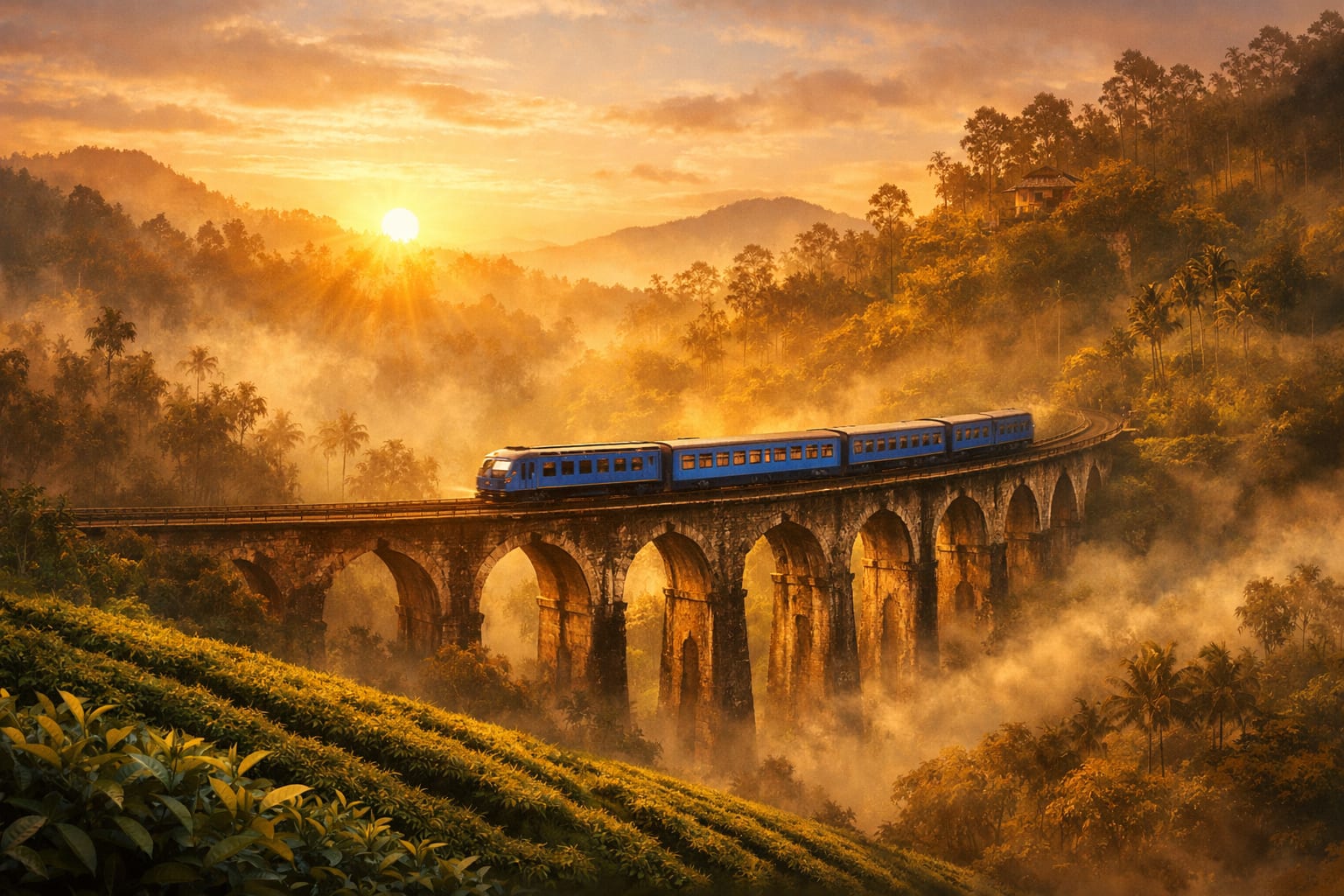
Kandy draws visitors for its concentration of UNESCO World Heritage sites, living Buddhist traditions and access to tea country and mountain scenery. The Temple of the Tooth Relic holds one of Buddhism's most venerated objects and anchors daily ritual life in the city. The Royal Botanical Gardens at Peradeniya display a vast collection of tropical flora a short ride from the centre. Kandy also serves as the cultural gateway to the hill country, with trains and roads climbing toward Nuwara Eliya and Ella through plantations and cloud forest.
When to go
The most reliable weather falls between December and April when the northeast monsoon brings drier conditions to the central highlands. May to September sees the southwest monsoon bring frequent afternoon showers, though mornings often stay clear. October and November are inter-monsoon months with unpredictable rain. Temperatures typically range from 18°C to 29°C year-round. The Esala Perahera festival, usually in July or August, transforms the city with nightly processions but also spikes accommodation demand and prices. Check the Sri Lanka Tourism Promotion Bureau for current festival dates and weather patterns.
How to get there
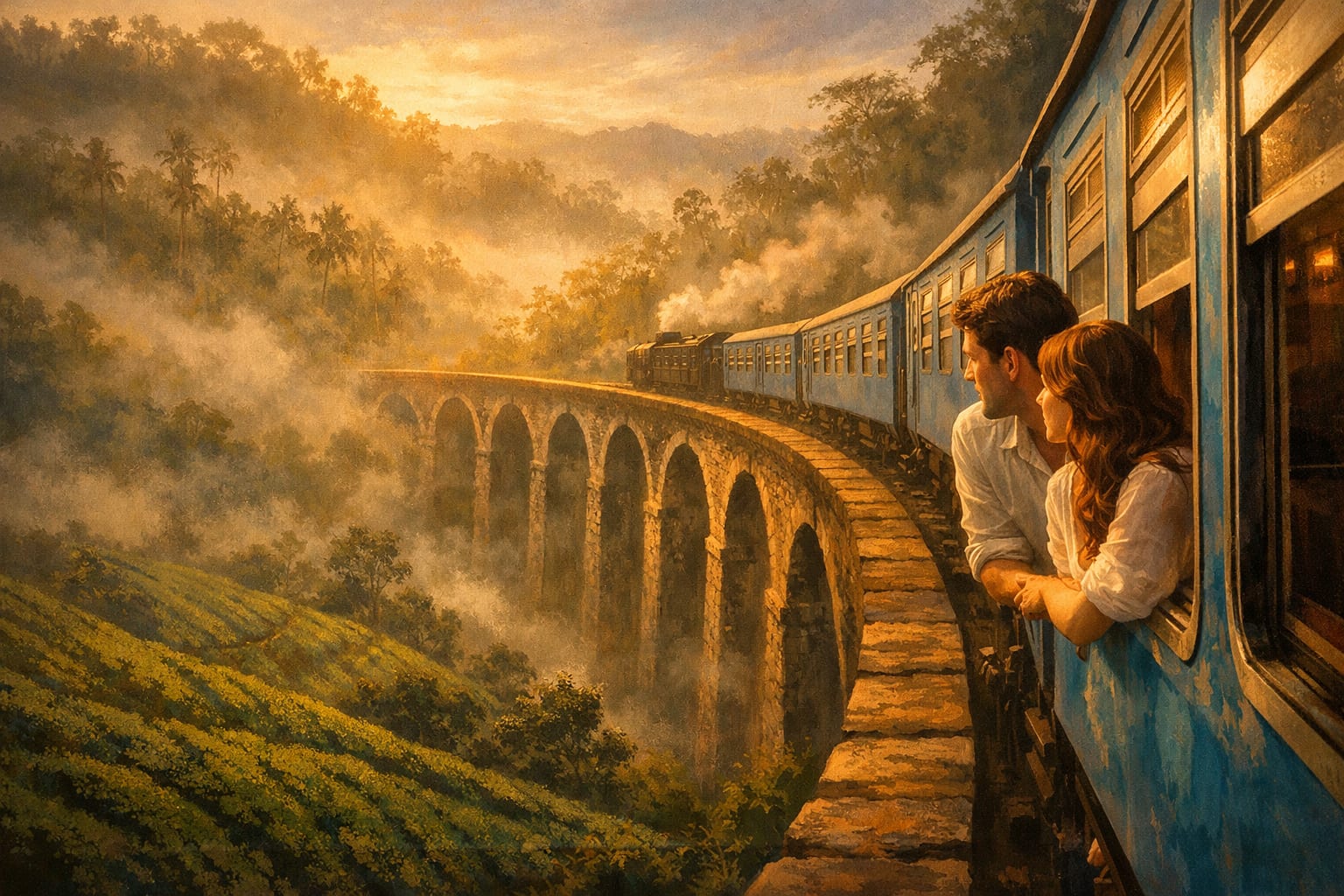
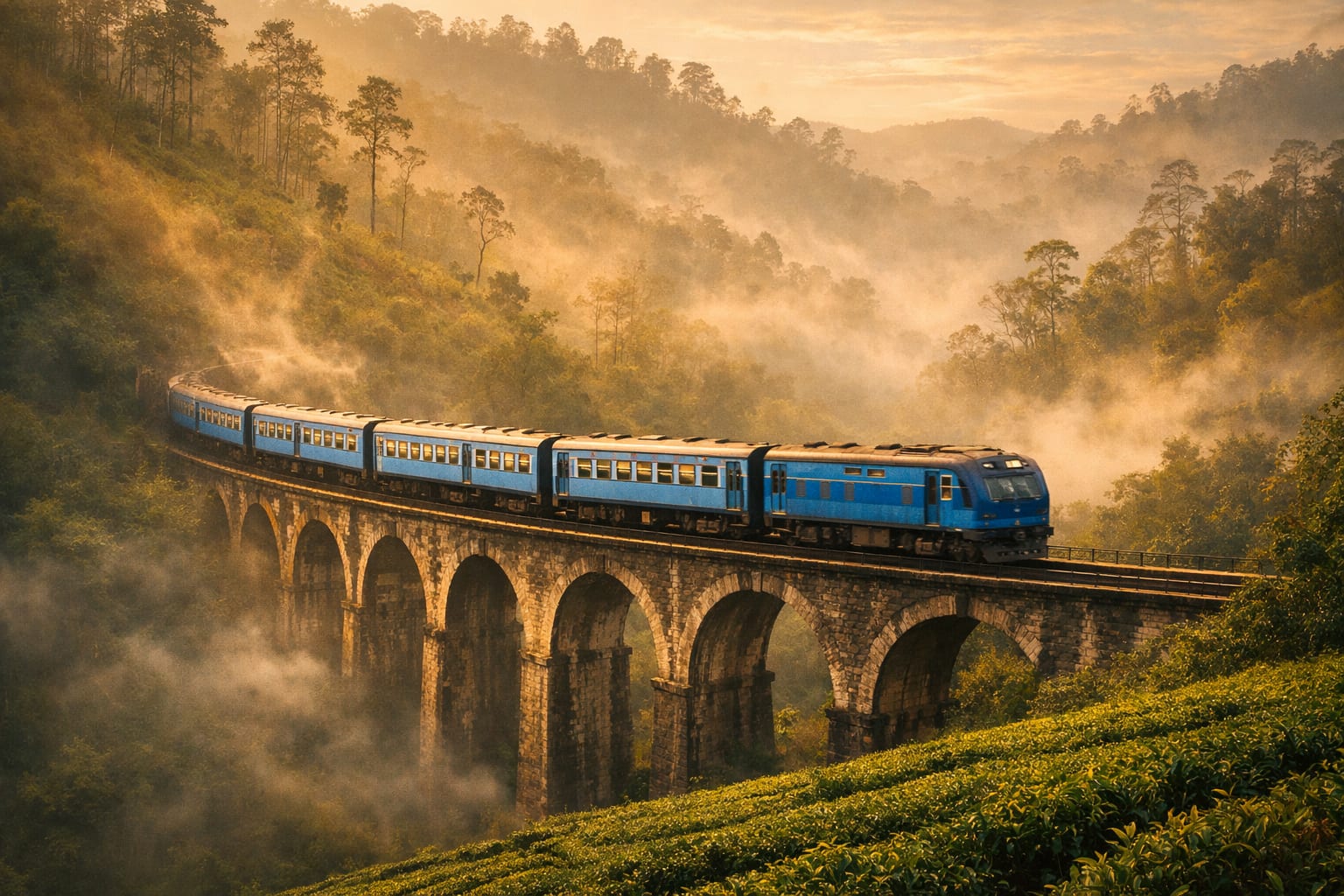
From Bandaranaike International Airport near Colombo, the road journey to Kandy takes about three to four hours depending on traffic. Private car hire with a driver is the most common choice for visitors arriving by air. The train from Colombo Fort to Kandy runs several times daily and takes roughly two and a half to three hours; observation carriages on select services offer panoramic views. Public buses leave frequently from Colombo's Bastian Mawatha terminal and take three to four hours. For current train timetables and bus routes, consult the official Sri Lanka Railways and National Transport Commission sources.
Getting around
Kandy's centre is compact enough to explore on foot, though steep streets and heavy traffic make walking tiring in heat. Tuk-tuks are ubiquitous for short hops; agree the fare before boarding or use a ride-hailing app for transparency. Local buses connect the city to Peradeniya, the Temple of the Tooth, and outlying suburbs but can be crowded. Hiring a car with a driver for day trips to the Knuckles Range, tea factories or nearby temples is practical and widely arranged through guesthouses. Traffic congestion peaks morning and evening around the lake and main junctions.
Things to do
Visit the Temple of the Tooth Relic early morning or evening to observe puja ceremonies; dress modestly covering shoulders and knees, and remove shoes before entering. Walk the perimeter of Kandy Lake for a quieter perspective on the city. Spend half a day at the Royal Botanical Gardens in Peradeniya, five kilometres west, where highlights include the orchid house, palm avenues and giant bamboo. Take the train one stop to Gampola or further to experience the hill-country line without committing to the full journey to Nuwara Eliya. Arrange a guided walk in the Knuckles Conservation Forest for montane cloud forest trails and village visits; use accredited guides to support local employment and minimise impact. Attend a cultural dance show in the evening for Kandyan drumming and fire-walking demonstrations; several venues near the lake host nightly performances. Visit the Commonwealth War Cemetery for a maintained, reflective space honouring WWII casualties. Shop for handicrafts at the Kandy City Centre complex or the older market streets where artisans sell brass, wood carvings and handloom textiles.
Where to stay, by area
City centre near the lake puts you within walking distance of the Temple of the Tooth, the lake promenade, restaurants and transport hubs. Noise levels rise with traffic and evening events. Peradeniya and the university area sit west of the centre along the Mahaweli River, offering quieter garden settings and easy access to the botanical gardens and train station. Hillside suburbs such as Rajapihilla Mawatha and Ampitiya climb the slopes above the lake, providing cooler air, valley views and a residential feel; steep roads mean tuk-tuk reliance. Katugastota and the northern approaches lie along the main Colombo road, convenient for early departures or late arrivals but less atmospheric. Toward the Knuckles foothills (e.g. Hunnasgiriya, Meemure access routes) suits travellers prioritising trekking and nature over city sights; expect basic facilities and longer transfers.
How long to stay
Two full days allow a relaxed pace for the Temple of the Tooth, the botanical gardens, a lake walk and a cultural show. Add a third day for a Knuckles trek, a tea factory visit or a train ride into the hill country. Travellers using Kandy only as a transit hub between Colombo and the south or east can cover the core sights in one long day.
Practical tips
Sri Lanka requires an Electronic Travel Authorization for most nationalities; apply via the official ETA website before arrival or on arrival at the airport. Visa rules and fees vary by passport; verify current requirements for your nationality. The local currency is the Sri Lankan rupee (LKR); ATMs accept international cards in the city centre but carry cash for markets and tuk-tuks. Power sockets are Type D, M and G; the voltage is 230V. Tap water is not potable; use filtered or bottled water. Dress conservatively at religious sites: shoulders and knees covered, shoes removed. Photography is restricted inside the Temple of the Tooth inner chambers; observe signage. Tipping 10% in restaurants and small amounts for porters and drivers is customary but not obligatory. For health advisories including recommended vaccinations, consult the CDC travel health page for Sri Lanka. For safety and security updates, check the UK Foreign Office travel advice. The Department of Wildlife Conservation manages protected areas; follow park rules and never participate in elephant rides or captive-animal shows.
Next step
Get the free Sri Lanka travel starter kit for printable checklists, a packing guide and a one-week itinerary framework.
Frequently asked questions
What is the best time to visit Kandy Sri Lanka?
The best time to visit Kandy is December to April when the northeast monsoon brings drier weather to the central highlands. May to September sees more rain from the southwest monsoon, though mornings are often clear.
How do I get from Colombo airport to Kandy?
From Bandaranaike International Airport, you can hire a private car with a driver for a three to four hour journey, take the train from Colombo Fort (two and a half to three hours), or catch a public bus from Bastian Mawatha terminal (three to four hours).
What should I wear to visit the Temple of the Tooth in Kandy?
Wear clothing that covers shoulders and knees, and be prepared to remove your shoes before entering the temple. This dress code applies to all Buddhist religious sites in Sri Lanka.
How many days do I need in Kandy?
Two full days let you see the Temple of the Tooth, Royal Botanical Gardens, Kandy Lake and a cultural show at a relaxed pace. Add a third day for a Knuckles trek, tea factory visit or train ride into the hill country.
Is it safe to drink tap water in Kandy?
Tap water in Kandy is not considered potable. Use filtered or bottled water for drinking and brushing teeth. Most hotels and guesthouses provide filtered water stations.
Facts in this guide were checked against official sources on the date shown. Rules and prices change, so confirm before you travel.