Colombo Sri Lanka: complete travel guide for first-time visitors
Travellers arriving in Colombo Sri Lanka for the first time will find a busy coastal city that blends colonial architecture, modern malls and lively markets. This guide covers when to go, how to move around, what to do and where to base yourself by neighbourhood.
Colombo Sri Lanka is the main gateway for international visitors and the country's commercial heart, where most journeys begin or end.
Why go
Colombo Sri Lanka offers a concentrated introduction to the island's layered history, diverse food scene and urban energy without the travel time needed for other regions. You can walk past Dutch-era buildings in the Fort district, visit a Hindu kovil and a Buddhist temple within minutes, then eat crab curry at a pavement stall or a high-rise restaurant. The city also serves as the transport hub for trains, buses and domestic flights heading to the Cultural Triangle, the hill country and the southern beaches.
When to go
The driest months in Colombo Sri Lanka run from December to March when the northeast monsoon brings lower humidity and less rain. April and September to November see higher rainfall with the inter-monsoon and southwest monsoon periods. Temperatures stay warm year-round, typically between 26 and 31 degrees Celsius. Major festivals such as Vesak in May and the Navam Perahera in February add cultural depth but also increase demand for accommodation. Check the Sri Lanka Tourism Promotion Bureau for current event calendars and weather patterns.
How to get there
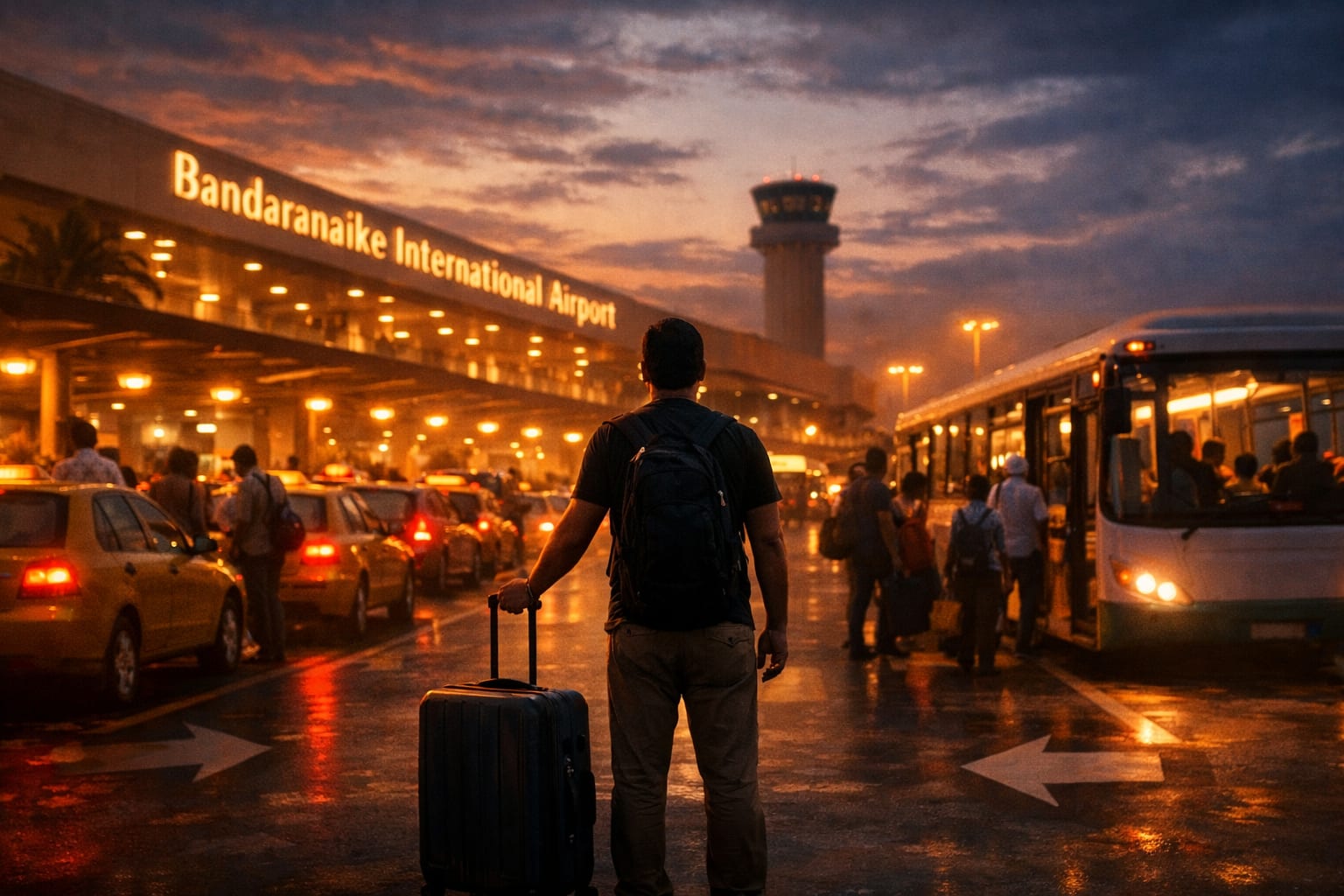
Bandaranaike International Airport (CMB) sits 30 kilometres north of the city centre in Katunayake. Most international flights arrive here, with connections from the Middle East, Europe, Asia and Australia. The airport expressway links to the city in 45 to 60 minutes depending on traffic. A taxi from the official airport counter costs roughly LKR 3,500 to 4,500; ride-hailing apps often show lower fares. Visa requirements vary by nationality. Most visitors need an Electronic Travel Authorization obtained online before arrival or on arrival at the airport. Check the official ETA website for current fees, eligibility and processing times. The UK Foreign Office travel advice and CDC health pages also list entry health requirements that may apply.
Getting around
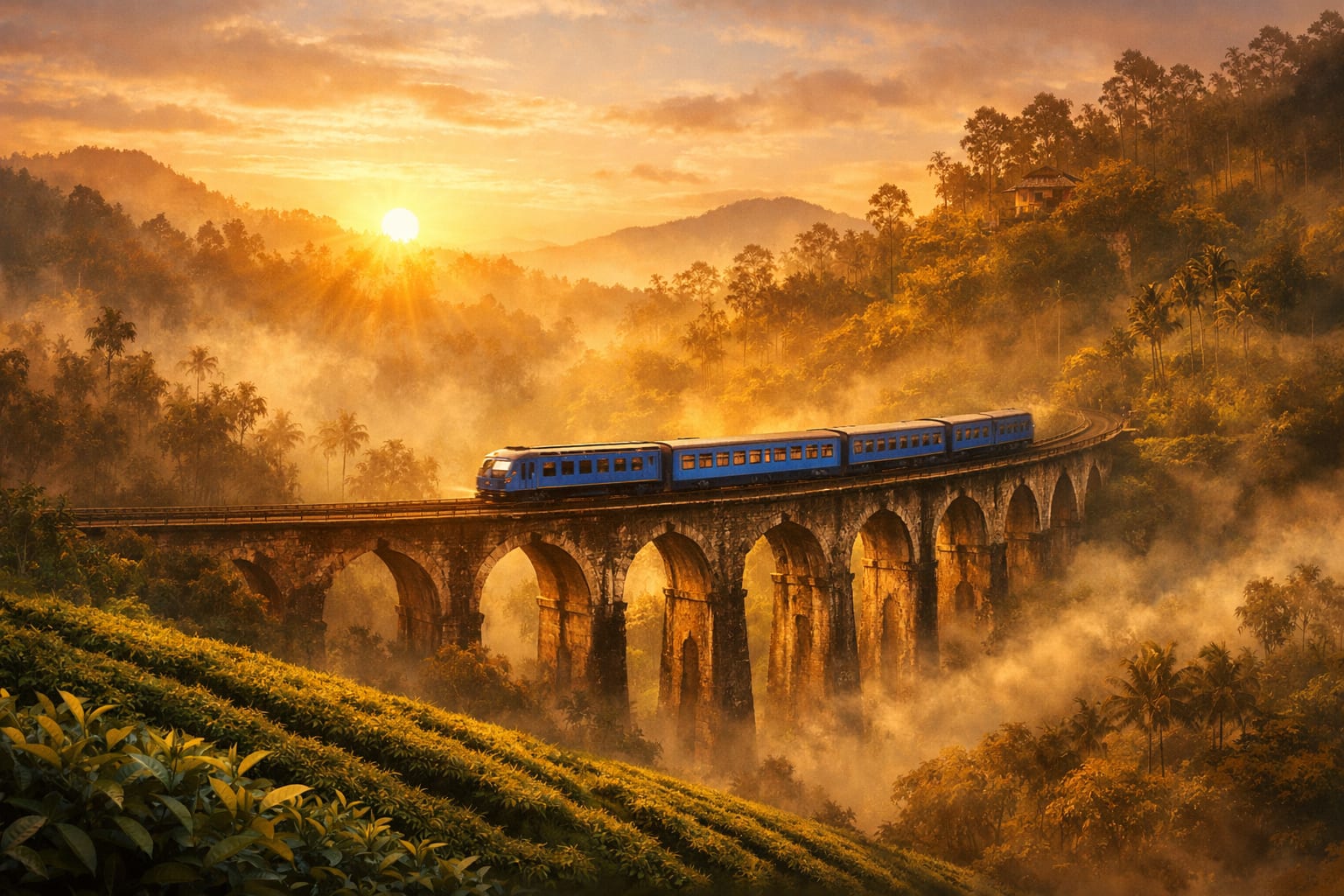
Colombo Sri Lanka has a growing public transport network. The coastal train line runs south to Galle and Matara and north to Negombo and beyond; tickets are inexpensive but seats fill quickly at peak times. Public buses cover the metro area extensively and cost very little, though they can be crowded and routes are not always clearly marked in English. Ride-hailing apps such as PickMe and Uber operate widely and show upfront fares in rupees. Three-wheelers (tuk-tuks) are everywhere; agree a price before departure or insist on the meter. Traffic congestion is heavy during morning and evening rush hours, so allow extra time for cross-city trips.
Things to do
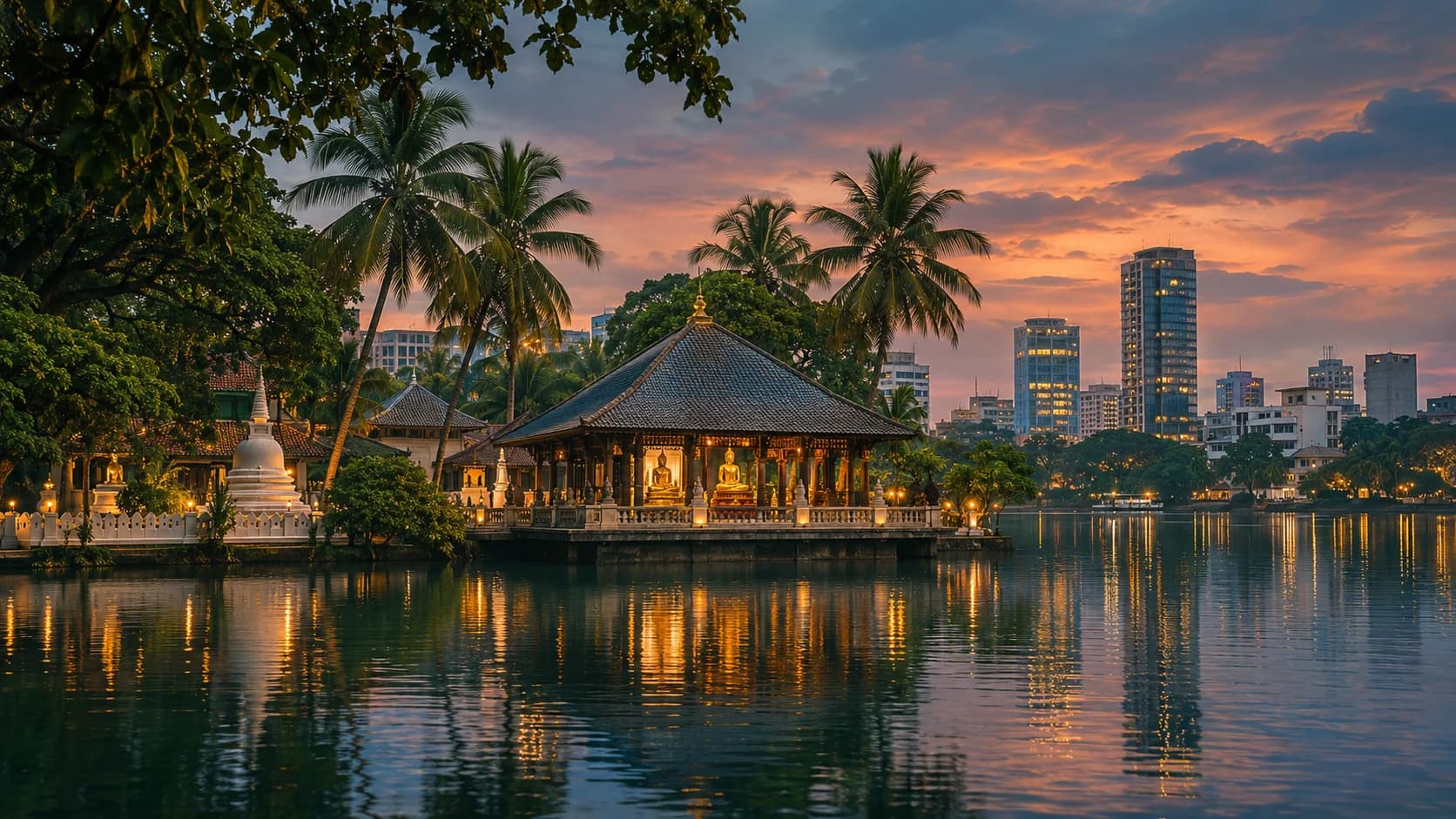
Start in the Fort and Pettah area where the old parliament building, the clock tower and the Dutch Hospital shopping precinct sit beside wholesale markets selling spices, textiles and electronics. The Gangaramaya Temple near Beira Lake combines a museum, library and worship hall with an eclectic collection of artefacts. Independence Square and the surrounding cinnamon gardens offer wide pavements for walking and cycling. The National Museum on Sir Marcus Fernando Road holds the regalia of the Kandyan kings and a natural history section. For contemporary art, visit the Saskia Fernando Gallery or the Colombo Art Biennale venues when active. Galle Face Green fills at sunset with families, kite flyers and street food vendors serving isso wade and kottu roti. A short train ride south reaches Mount Lavinia beach for a sea swim. Always dress modestly at religious sites, covering shoulders and knees, and remove shoes where required.
Where to stay, by area
Fort and the adjacent financial district put you near the port, the train station and colonial-era hotels converted to modern use; this suits business travellers and those catching early trains. Cinnamon Gardens (Colombo 7) is a leafy residential zone with embassies, galleries, upscale restaurants and boutique guesthouses; it feels quieter and greener. Kollupitiya (Colombo 3) and Bambalapitiya (Colombo 4) run along Galle Road with a mix of mid-range hotels, backpacker hostels and easy access to the beach promenade. Mount Lavinia, just outside the city boundary, offers a seaside strip with larger hotels and a more relaxed pace. Pettah (Colombo 11) centres on the main market and has budget lodges close to the bus stand and railway station for onward travel. Choose based on whether you prioritise transit links, nightlife, walking access to sights or a quieter sleep.
How long to stay
Two full days let you see the main museums, temples, markets and the coastal promenade without rushing. Add a third day if you want a day trip to Negombo lagoon, the Kelaniya Raja Maha Vihara temple or a cooking class in a local home. Many travellers use Colombo Sri Lanka only for arrival and departure nights, spending one night at the start and one at the end of a wider itinerary. Adjust based on your flight times and whether you prefer to explore the city or move quickly to other regions.
Practical tips
Carry small denominations of rupees for tuk-tuks, market purchases and tips; ATMs are common but not all accept foreign cards. Credit cards work in larger hotels, restaurants and supermarkets. Tap water is not recommended for drinking; use filtered or bottled water. Power sockets are type D, M and G; bring a universal adapter. Sri Lanka uses 230 volts at 50 hertz. Mobile coverage is good; tourist SIM packages with data are sold at the airport and city kiosks, requiring passport registration. Respect religious customs: never pose with your back to a Buddha statue, do not enter temple inner chambers wearing hats or shoes, and ask permission before photographing monks or worshippers. For wildlife experiences, choose national parks managed by the Department of Wildlife Conservation and avoid venues offering elephant rides or direct contact with captive animals. Check the latest health advisories on the CDC Sri Lanka page and the UK Foreign Office travel advice before departure.
Next step
Download the free Sri Lanka travel starter kit for a printable packing list, budget planner and a one-page summary of entry requirements.
Frequently asked questions
Do I need a visa for Colombo Sri Lanka?
Most nationalities require an Electronic Travel Authorization before arrival or on arrival at the airport. Check the official ETA website for current fees and eligibility for your passport.
What is the best way to get from the airport to Colombo city centre?
The airport expressway connects to the city in 45 to 60 minutes. Official airport taxis cost roughly LKR 3,500 to 4,500; ride-hailing apps often show lower fares.
Is Colombo Sri Lanka safe for solo travellers?
The city is generally safe with normal urban precautions. Keep valuables secure, use registered transport at night and stay aware in crowded markets.
Can I drink tap water in Colombo?
Tap water is not recommended for drinking. Use filtered or bottled water, which is widely available in shops and hotels.
What should I wear when visiting temples in Colombo?
Cover shoulders and knees, remove shoes and hats before entering, and avoid turning your back to Buddha statues when taking photos.
Facts in this guide were checked against official sources on the date shown. Rules and prices change, so confirm before you travel.