Sri Lanka Currency Guide: Cash, Cards and ATMs
Sri Lanka currency is the rupee, and cash still matters for everyday travel. Learn where to exchange, use ATMs and avoid common fees.
6 min read
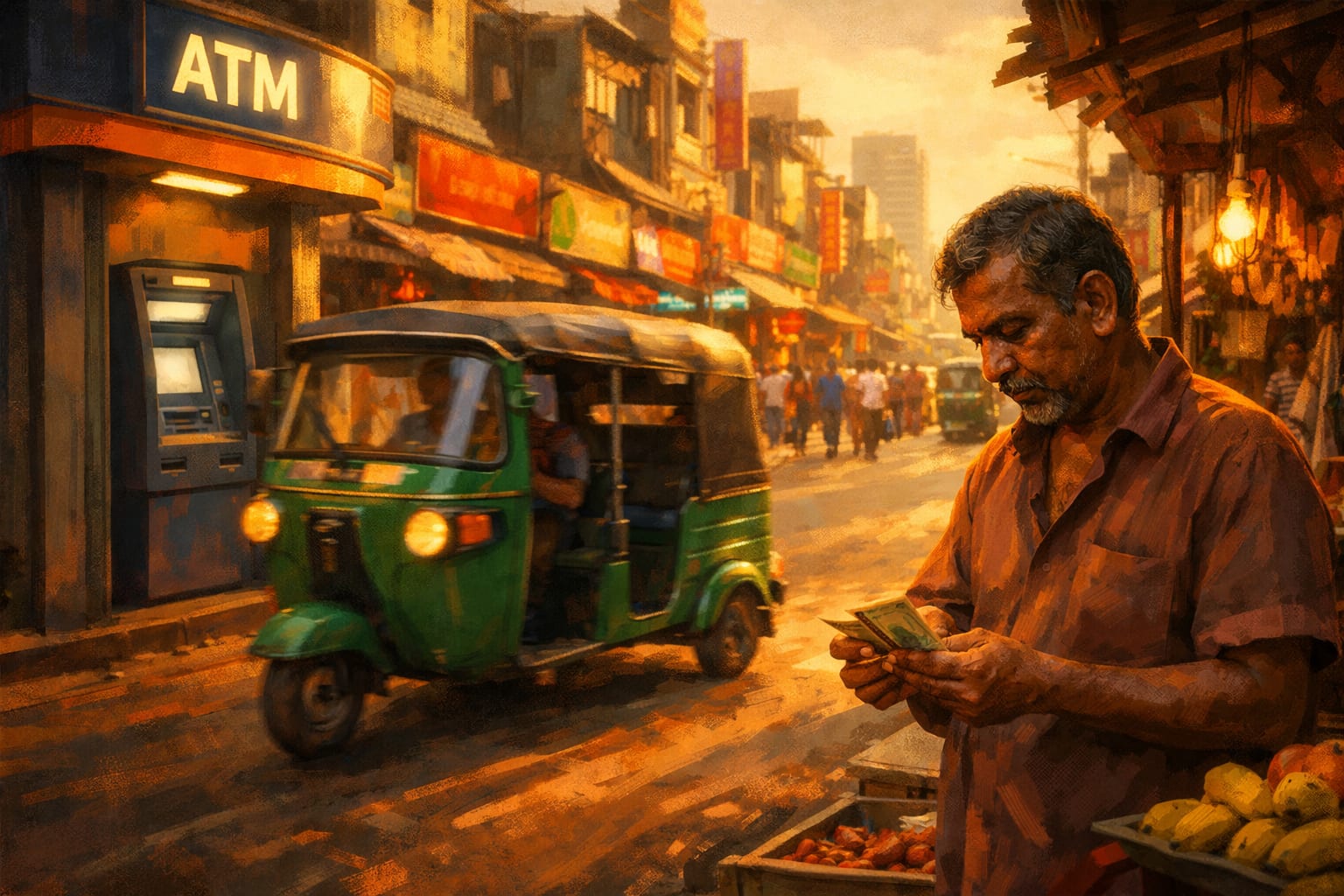
Sri Lanka currency is the Sri Lankan rupee, and most travellers will use a mix of cash, cards and ATMs while they are in the country. Prices are usually shown in rupees, but you will still need notes for tuk-tuks, small shops, market stalls and many rural businesses. If you are planning a trip, understanding how money works in Sri Lanka will help you budget better and avoid unnecessary fees.
Key takeaways
- You cannot legally buy or sell Sri Lankan rupees outside Sri Lanka.
- Cash is still essential for transport, small purchases and many local businesses.
- Authorised money changers and bank ATMs usually offer better value than hotels or airport counters.
- Visa and Mastercard are the most widely accepted cards, but cash remains important.
- Keep receipts if you may want to change leftover rupees back before departure.
What is the Sri Lanka currency?
The Sri Lanka currency is the rupee, written as LKR, and it is the unit you will see on menus, receipts and transport fares. Notes commonly circulate in 20, 50, 100, 500, 1,000 and 5,000 rupee denominations, while coins are mostly useful for small change.
For most travellers, the practical rule is simple: carry some cash, keep a card as backup and use ATMs when needed. If you are building a wider travel budget, it also helps to read a Sri Lanka trip cost guide for backpackers, mid-range and comfort before you arrive.
Why cash still matters
Cash is still the easiest way to pay for many everyday travel costs in Sri Lanka. You may need it for:
- tuk-tuks and short local journeys
- small guesthouses and family-run stays
- market stalls and roadside snacks
- temple donations
- rural shops and services
In Colombo and other larger towns, card acceptance is improving, but once you move into smaller places, cash becomes much more important.
Can you exchange money before you travel?
No, you generally cannot buy Sri Lankan rupees before you travel because the rupee is a closed currency. That means you should bring foreign cash or plan to withdraw money on arrival.
US dollars, euros, British pounds, Australian dollars and Canadian dollars are widely accepted at authorised changers and banks. Clean, undamaged notes are best, and older or torn bills may be refused or offered a weaker rate. If you are carrying US dollars, larger notes often get a better rate than smaller ones.
Where should you exchange money in Sri Lanka?
You should exchange money at authorised money changers or banks in cities and major tourist areas. Colombo has the widest choice, and many travellers also find exchange counters in places such as Kandy, Galle and Ella.
Look for an official licence displayed at the counter, and always ask for a receipt. Banks such as Bank of Ceylon, People’s Bank, Commercial Bank and Hatton National Bank also exchange foreign currency during banking hours, though opening times can vary by branch.
Airport, hotel or city centre?
City-centre exchange counters usually give better value than airport arrivals desks or hotels. Airport exchange can be useful if you need immediate cash for a taxi or transfer, but it is rarely the best rate.
A sensible approach is to exchange only a small amount at the airport, then compare rates in town before changing more. The Sri Lanka Tourism Development Authority advises visitors to use authorised exchange points, which helps reduce the risk of counterfeit notes and poor rates. Sri Lanka Tourism Development Authority
How do ATMs work for foreign travellers?
ATMs are common in cities, larger towns and at Bandaranaike International Airport, and they are often the easiest way to get local cash. Most accept Visa and Mastercard, while American Express and Diners Club are less widely supported.
Before you travel, tell your bank you are going to Sri Lanka so your card is less likely to be blocked. It is also wise to keep a second card separate from your main wallet in case one is lost or retained by a machine.
ATM fees and limits
Local bank fees per withdrawal are often charged on top of any fee from your home bank. Withdrawal limits vary by bank, so you may need more than one transaction if you want a larger amount.
To reduce costs:
- withdraw larger amounts less often
- use ATMs attached to bank branches where possible
- avoid machines that look poorly maintained
- keep your cash count discreet
If you are arriving in the capital and want to plan your first few hours well, the Colombo Sri Lanka travel guide: areas, transport, tips can help you choose the best place to stay and exchange money.
Can you pay by card in Sri Lanka?
Yes, but card use is still uneven, so it is best to treat cards as a convenience rather than your only payment method. Mid-range and upscale hotels, supermarkets, fuel stations and many tourist-facing restaurants usually accept Visa and Mastercard.
Smaller guesthouses, local eateries, safari operators and craft shops often prefer cash. Contactless payment is growing, but it is not universal, so do not rely on it for every purchase.
Avoiding card payment traps
When a terminal offers dynamic currency conversion, choose to pay in rupees. If you let the terminal convert to your home currency, you may pay a hidden markup.
It is also worth checking whether your card charges foreign transaction fees. If you have a travel card that waives those fees, it can make a noticeable difference over a longer trip.
What exchange rate and budget tips should travellers know?
The exchange rate changes daily, and banks or authorised changers apply their own margin on top of the official mid-rate. That means the rate you receive will usually be a little lower than the published market figure.
For budgeting, it helps to think in simple travel terms:
- 100 rupees is a small amount, often enough for a tea or a short tuk-tuk hop
- 1,000 rupees can cover a modest lunch
- larger daily costs, such as intercity transport or tours, are usually paid in bigger notes or by card where accepted
If you want a fuller sense of how far your money may go, the free Sri Lanka travel starter kit includes practical planning tools you can use before you leave.
How should you handle tips and small payments?
Tipping is not mandatory in Sri Lanka, but it is appreciated in many situations. In restaurants without a service charge, 10 percent is common. Hotel porters may expect a small amount per bag, and safari guides or drivers often receive a group tip for good service.
Temple staff do not expect tips. If you wish to give something, use the donation box rather than handing over cash directly. That is especially important at Buddhist, Hindu, Muslim and Christian sites where respectful behaviour matters.
A few simple money habits
- Keep small notes for tuk-tuks and snacks.
- Carry a separate reserve for emergencies.
- Count your cash before leaving a counter.
- Store passports and spare money safely in your accommodation.
- Be discreet when handling larger amounts in public.
For responsible travel across the island, it also helps to plan transport and activities in advance. The Sri Lanka private driver vs train guide is useful if you are deciding how to move between destinations.
What should you do with leftover rupees?
You can usually change leftover rupees back to foreign currency at the airport departure area or at authorised changers before you fly. Keep your exchange receipts, because larger reconversions may require proof of where the money came from.
Coins are usually not worth changing back, so spend them on drinks, snacks or small donations before you leave. If you have notes left over, check your options early rather than waiting until the last minute at the airport.
Next step
Get the free Sri Lanka travel starter kit for practical planning help, packing tips and a simple itinerary to make your trip easier.
Facts in this guide were checked against official sources on the date shown. Rules and prices change, so confirm before you travel.
Frequently asked questions
Can I buy Sri Lankan rupees before travelling?
No, you usually cannot buy Sri Lankan rupees before travelling because it is a closed currency. Bring foreign cash or use ATMs and card payments once you arrive.
Is it better to exchange money at the airport or in the city in Sri Lanka?
It is usually better to exchange money in the city. Airport counters are convenient for immediate cash, but authorised money changers and banks in town often give better rates.
Do ATMs in Sri Lanka accept foreign cards?
Yes, most ATMs accept Visa and Mastercard foreign cards. American Express and Diners Club are less widely supported, so carry a backup card if you can.
Should I use cash or card in Sri Lanka?
You should use both. Cards work well in many hotels, supermarkets and tourist restaurants, but cash is still essential for tuk-tuks, small shops and rural travel.
What is the best way to avoid extra fees when using money in Sri Lanka?
Use authorised exchange counters, decline dynamic currency conversion and withdraw larger amounts less often. A travel card with low foreign transaction fees can also help.